
Lead Generation for Mechanics & Auto Repair NZ
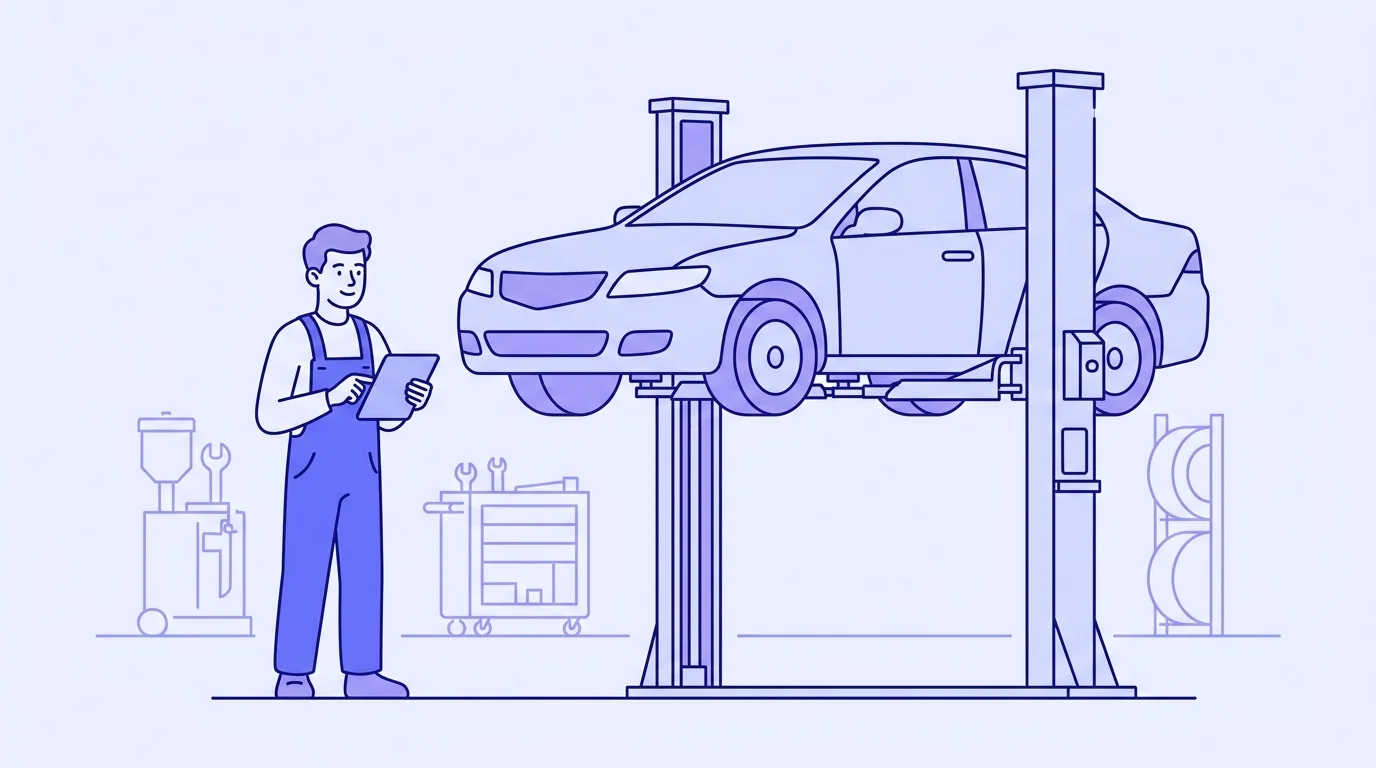
Lead generation for mechanics and auto repair shops means consistently attracting drivers who need a WOF, a service, or a repair, then turning those enquiries into booked jobs. For most New Zealand workshops it comes down to a handful of channels working together: a fast website with online booking, Google Ads that capture “mechanic near me” searches, Facebook and Instagram ads promoting service specials, and a reactivation system that brings past customers back for their next WOF or service. Done well, this keeps your bays full week after week instead of relying on word of mouth and hoping the phone rings.
This guide breaks down each of those channels specifically for the New Zealand auto repair market, including the numbers you can expect and how to make them stack up.
Understanding the NZ Auto Repair Market
New Zealand has one of the oldest vehicle fleets in the developed world, with the average car well over a decade old. That is good news for workshops. Older vehicles need more frequent servicing, more repairs, and they still have to pass a Warrant of Fitness. The WOF system administered by NZTA Waka Kotahi creates predictable, recurring demand that almost no other industry enjoys, every registered vehicle needs an inspection on a fixed schedule, year after year.
Key Market Characteristics
- Recurring WOF demand that brings drivers through your door on a known cycle
- Steady servicing and repair work driven by an ageing national fleet
- Growing EV and hybrid servicing as electric vehicle numbers climb and workshops upskill
- Intensely local competition where drivers choose the nearest trusted workshop, not the cheapest one across town
The opportunity is that most workshops compete poorly online. They rely on regulars and referrals, leaving a steady stream of “mechanic near me” and “WOF [city]” searches up for grabs. The workshop with the strongest online presence and the fastest response usually wins those jobs.
Building a High-Converting Website
For an auto repair shop, your website has one job, turn a driver who needs help into a booking. Too many workshop sites are little more than a phone number and a list of services. An effective site does the heavy lifting for you.
Essential Website Elements
Online Booking: This is the single biggest upgrade most workshops can make. Plenty of drivers want to book a WOF or service at 9pm without calling. An online booking tool that lets customers pick a service, date, and time captures jobs you would otherwise lose to a competitor who makes it easy. Our automotive landing page service is built around this kind of frictionless booking flow.
Clear Service Pages: Create dedicated pages for each thing you do, WOF inspections, logbook and general servicing, brakes and suspension, cambelts, diagnostics, tyres, and EV or hybrid servicing if you offer it. Specific pages help you rank in search and let drivers find exactly what they need.
WOF Reminders Front and Centre: Promote a free WOF reminder signup on your site. It is a low-friction way to capture details and a genuinely useful service that brings drivers back to you, not the workshop down the road, when their warrant is due.
Trust Signals: Display your MTA membership, any manufacturer accreditations, Google review rating, and photos of your workshop and team. Auto repair is a trust purchase, and drivers worry about being overcharged, so visible credibility matters.
Mobile and Fast: The majority of “mechanic near me” searches happen on a phone, often roadside. If your site is slow or hard to use on mobile, you lose the job before you ever hear about it.
Google Ads for Mechanics
Google Ads delivers immediate visibility for high-intent searches, exactly when a driver has decided they need a workshop. Someone typing “WOF Hamilton” or “car service near me” is ready to book today, not next month.
Campaign Structure Best Practices
Organise your campaigns by service type so your ads and budget match what the customer wants:
- WOF Campaign: Target searches like “WOF [city]”, “warrant of fitness near me”, and “cheap WOF [suburb]” with messaging around same-day availability and price
- Servicing Campaign: Focus on “car service [city]”, “car servicing near me”, and “logbook service”, emphasising fixed pricing and convenience
- Repair and Diagnostic Campaign: Capture “mechanic near me”, “brake repair [city]”, and “car making noise” with reassuring, expert messaging
Local Radius Targeting
Auto repair is a local game. There is no point paying for clicks from drivers an hour away who will never visit your workshop. Set a tight radius around your location, often five to fifteen kilometres depending on your city, and concentrate your spend where customers will actually drive to you. This single setting is one of the most common ways workshops waste budget, and one of the easiest to fix.
What to Expect on Cost
For mechanics in New Zealand, the cost per lead on Google Ads typically runs between $25 and $55, averaging around $38. That sounds like a lot until you run the maths. With an average repair or service value of about $450 and a close rate of roughly 42% on enquiries, every lead is worth around $189 in immediate work before you account for the value of that customer coming back. We cover the full setup in our automotive paid ads service.
Ad Copy That Converts
Effective ad copy for auto repair should emphasise:
- Same-day or next-day availability, especially for WOF
- Fixed or upfront pricing so drivers know there are no surprises
- Your location and how close you are
- Trust markers like MTA membership and strong review counts
Facebook and Instagram Ads
Where Google captures people already searching, Facebook and Instagram put you in front of local drivers before they go looking. For workshops, the two strongest plays are service specials and retargeting.
Service Specials That Drive Bookings
Promote a clear, time-bound offer to drivers in your area. A $49 WOF, a free brake check with any service, or a pre-winter safety inspection special gives people a reason to choose you now rather than putting it off. Pair the offer with a simple booking step and target by location and age so you reach the households around your workshop.
Retargeting Warm Visitors
Most drivers who visit your website do not book on the first visit. Retargeting shows your ads again to people who have already been to your site or engaged with your page, the warmest audience you have. It is inexpensive and reminds them to come back and book before they drift to a competitor.
What to Expect on Cost
On Facebook and Instagram, cost per lead for mechanics generally falls between $18 and $42, averaging around $28, often a little cheaper than Google because you are catching demand earlier. The trade-off is that intent is lower, so your speed of follow-up matters even more. Our automotive lead qualification service makes sure those enquiries are sorted and contacted fast.
Database Reactivation and Service Reminders
This is where most workshops leave the easiest money on the table. You already have a list of past customers, and they all own vehicles that need ongoing WOF inspections, servicing, and repairs. Reaching out to them is far cheaper than winning a new customer, and they already trust you.
WOF and Service Reminders
Set up automated reminders by text and email that go out when a customer’s WOF or next service is due. A friendly nudge with a link to book turns a known due date into a booked job, and it stops your regulars from drifting to a competitor simply because they forgot and saw someone else’s ad first. Because WOF runs on a fixed cycle, this is the most predictable lead source a workshop can build.
Database Reactivation Campaigns
For customers you have not seen in a while, a reactivation campaign brings them back. A short message offering a WOF special or a discounted service to “welcome back” lapsed customers can fill quiet weeks at almost no media cost. With an average job value around $450 and a 42% close rate, even a modest list can produce a strong return from a single send.
The real prize here is the lifetime value of a repeat servicing customer. A driver who comes back twice a year for a WOF and service, plus the occasional repair, is worth thousands over the years they own their vehicles. Winning the first job is just the start.
Speed-to-Lead: Why Response Time Wins Jobs
When a driver enquires, they are usually contacting more than one workshop. The one that responds first almost always wins the job. Research across service industries consistently shows that responding within five minutes dramatically increases the chance of converting an enquiry compared to waiting an hour or more.
For a busy workshop with the team heads-down under bonnets, fast response is hard. That is exactly why a system matters, whether it is instant text auto-replies, a booking tool that confirms straight away, or a dedicated person handling enquiries. Combining quick response with proper qualification means you spend your time on real jobs, not tyre-kickers. This is the core of how we handle lead qualification for automotive businesses, every enquiry contacted fast and sorted within minutes.
Budget Guidance
A sensible starting point for most New Zealand workshops is $1,000 to $2,500 per month in ad spend across Google and Facebook, enough to gather real data and book a steady flow of jobs without overcommitting.
Here is the maths that makes it work. If you spend $2,000 a month and your blended cost per lead is around $33, that is roughly 60 leads. At a 42% close rate you book about 25 jobs. At an average value of $450, that is around $11,000 in immediate work from a $2,000 spend, before you count the repeat servicing those new customers bring over the following years.
Split your budget by intent, not evenly. Put more weight on Google for high-intent WOF and repair searches, use Facebook for specials and retargeting, and let your reminder and reactivation system run alongside as a near-free third channel. As the numbers prove out, you scale the spend on what works. Our broader paid ads service covers how to build and balance these channels properly.
Tracking and Measuring Results
You cannot improve what you do not measure. For a workshop, the metrics that matter are:
- Cost per lead from each channel
- Lead-to-booking conversion rate
- Average job value by source
- Return on ad spend including repeat work, not just the first job
- Number of WOF and service reminders booked
Use call tracking, your booking tool’s reporting, and a simple CRM so you know which channels actually fill your bays. Without it, you are guessing, and guessing is expensive.
How Lucid Leads Helps
Most workshop owners are brilliant at fixing cars and far too busy to also run ads, build booking systems, and chase enquiries. That is where we come in.
At Lucid Leads, we build the entire lead generation system for auto repair businesses across New Zealand, the high-converting booking page, the Google and Facebook campaigns dialled in to your local area, the WOF and service reminder automations, and the speed-to-lead qualification that turns enquiries into booked jobs. You focus on the work in the bays, we keep them full.
We back it with our 30 leads in 30 days guarantee, so you can see the system working before you commit long term. If you want to see how lead generation looks across the wider automotive sector, our guides on selling more cars with automotive lead generation and car dealership digital marketing best practices are a useful next read.
Book a free strategy call today to see how many WOF, service, and repair jobs your workshop could be booking every month.
Frequently Asked Questions
How much do leads cost for mechanics in New Zealand?
On Google Ads, expect roughly $25 to $55 per lead, averaging around $38. On Facebook and Instagram it is generally lower, between $18 and $42, averaging around $28. With an average job value near $450 and a close rate of about 42%, each lead is worth far more than it costs, especially once repeat servicing is included.
Which channel works best for an auto repair shop?
Google Ads usually delivers the fastest results because it captures drivers actively searching for a WOF, service, or repair. Facebook and Instagram are excellent for promoting specials and retargeting. Your cheapest and most reliable source, though, is reactivating past customers with WOF and service reminders, since they already trust you.
How important is online booking for a workshop?
Very. A large share of drivers want to book a WOF or service outside business hours without calling. Online booking captures those jobs you would otherwise lose, and it removes friction from every campaign you run, because every ad can lead straight to a booking instead of a phone call the customer has to remember to make.
How quickly should I respond to an enquiry?
As fast as possible, ideally within five minutes. Drivers usually contact several workshops, and the first to respond almost always wins the job. An instant auto-reply plus prompt follow-up, or a dedicated person handling enquiries, makes a measurable difference to how many jobs you book.
How long before I see results?
Paid ads can start producing booked jobs within the first week or two once campaigns are live and your booking page is converting. WOF and service reminders build momentum over a few months as your database is worked through, then become a steady, predictable source of repeat work.
Ready to Generate More Leads?
Let's discuss how we can help you get 30 qualified leads in 30 days with our proven TAP System.
Book a Free Strategy CallRelated Articles
Continue learning about lead generation and paid advertising
Lead Generation for Hearing Clinics NZ: Attract More Patients
Proven lead generation strategies for hearing clinics and audiologists in New Zealand. Learn which ads work, how to build trust, and how to book more appointments.
The Keyword Mistake That Burns NZ Service Businesses' Ad Budget
Wasted Google Ads spend usually comes from the wrong keywords and match types. Here is how NZ service businesses pick keywords that turn into paying customers.
Written by

Founder & Lead Generation Specialist
Jason Poonia is the founder of Lucid Leads, helping service businesses across New Zealand generate qualified leads through paid advertising and conversion-focused funnels. With a background in Computer Science from the University of Auckland and over 5 years of experience running lead generation campaigns, Jason has helped businesses in construction, trades, real estate, and professional services generate thousands of qualified leads. His data-driven approach combines targeted ad strategies with rapid lead qualification to deliver prospects who are ready to buy.