
Lead Generation for Hearing Clinics NZ: Attract More Patients
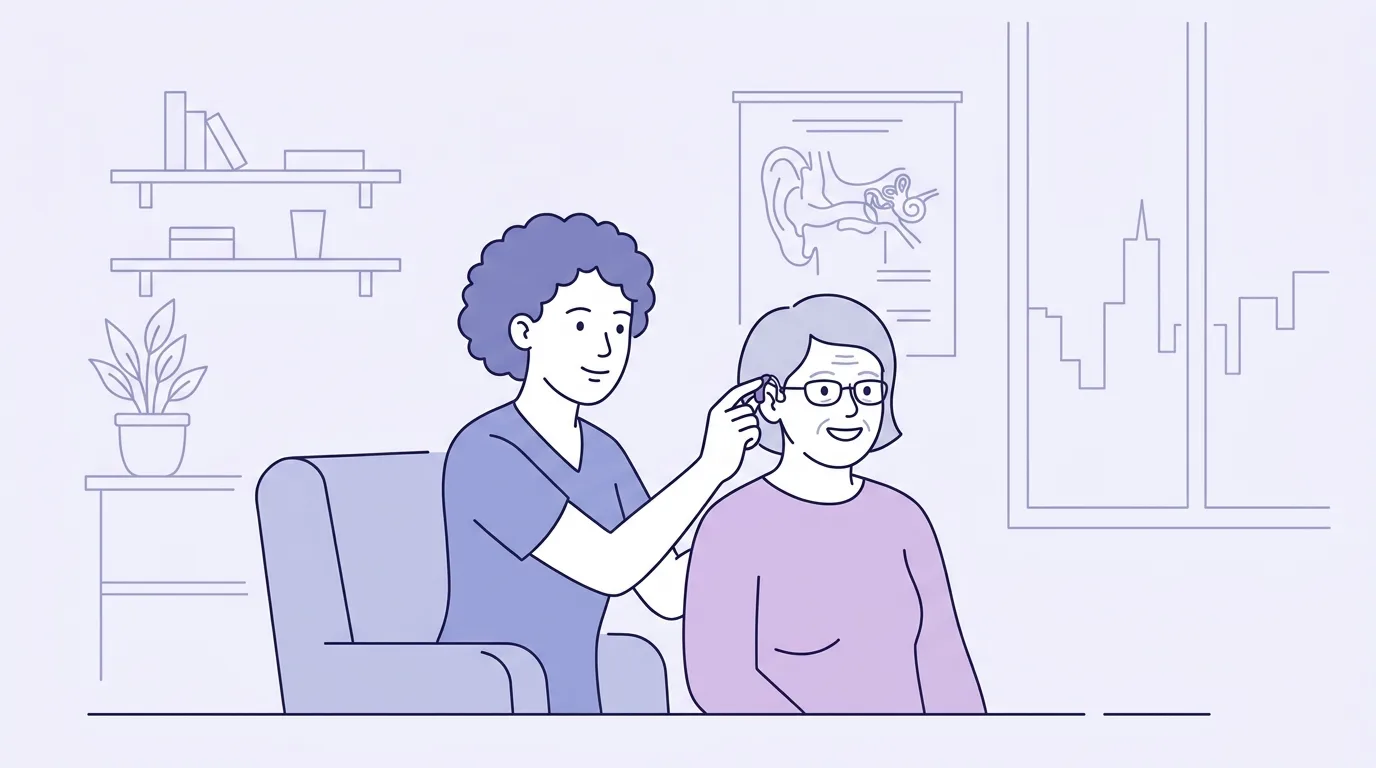
Hearing clinics sit in a unique position. The need is real and growing as New Zealand’s population ages, the products are genuinely life changing, and the lifetime value of a patient is high. Yet many clinics still rely on GP referrals and word of mouth, which leaves a steady stream of ready-to-book patients going to whichever competitor shows up first online.
If you run an audiology practice or hearing clinic, a reliable lead generation system can be the difference between a half-full appointment book and a waitlist. This guide covers how to attract more hearing clinic patients in New Zealand, which advertising channels actually work, and how to turn enquiries into booked fittings.
How hearing clinic patients actually search
Most people do not wake up and decide to buy a hearing aid. The journey is slower and more emotional than that, and your marketing needs to meet people at each stage.
A typical hearing clinic patient moves through:
- Denial or delay: They notice they are asking people to repeat themselves, but put it off, often for years.
- Trigger: A family member pushes them, or they miss something important, and they start looking.
- Research: They search online for clinics, free hearing checks, and what hearing aids cost.
- Reassurance: They look for trust signals, reviews, and a low-pressure first step.
- Booking: They book a hearing test or a free consultation, usually with whichever clinic made it easy.
The clinics that win are the ones that show up during the research stage with a low-commitment offer, such as a free hearing check, and then make booking effortless. The offer matters as much as the channel.
Google Ads or Facebook Ads for a hearing clinic?
This is the question we get asked most, so let’s answer it directly. For hearing clinics, Google Ads usually drives the most ready-to-book patients, while Facebook and Instagram are better for building awareness and reaching the family members who influence the decision. Most successful clinics use both, but if you are starting with one, start with Google.
Why Google Ads works for hearing clinics
Google captures intent. When someone searches “hearing test near me” or “hearing aids Auckland”, they are actively looking, and a well-targeted search campaign puts you in front of them at the exact moment they are ready to act. The cost per click can be higher in healthcare, but the intent is strong, so the leads tend to convert.
To make Google Ads work, focus on high-intent search terms (hearing test, hearing check, hearing aids plus your town), send the traffic to a focused page rather than your homepage, and lead with a clear free-hearing-check offer.
Why Facebook and Instagram still matter
Many hearing decisions are nudged along by an adult child or a partner. Facebook and Instagram let you reach that audience with relatable, reassuring creative, and they are excellent for retargeting people who visited your site but did not book. Awareness campaigns also keep your clinic top of mind in a community where reputation travels by word of mouth.
If you want a deeper breakdown of how the two channels compare for a service business, our guide to Google Ads vs Facebook Ads walks through it for healthcare specifically.
Build a landing page that converts, not just a website
Sending paid traffic to your homepage is one of the most common and expensive mistakes a clinic can make. A homepage is built to inform and has dozens of exits. A landing page is built to do one thing: turn a visitor into a booked appointment.
A high-converting hearing clinic landing page should include:
- A single clear offer, such as a free hearing check or a no-obligation consultation.
- A short, simple booking form that asks for as little as possible up front.
- Trust signals like qualifications, years in practice, genuine reviews, and recognisable brand stockists.
- Reassurance for an older audience: plain language, large readable text, and a phone number that is easy to find for those who would rather call.
Small changes here often matter more than ad spend. A clinic that converts 30 percent of its landing page visitors will run rings around one that converts 10 percent, on the same budget.
Make trust the centre of your marketing
Audiology is a trust business. Your patients are often older, cautious, and wary of being upsold, so credibility does more heavy lifting here than in almost any other industry.
Lean on reviews and reputation
Google reviews are the single strongest trust signal for a local hearing clinic. Make asking for a review a natural part of your follow-up, respond to every one, and feature them on your landing pages. A steady flow of recent, genuine reviews reassures nervous first-time patients more than any ad ever will.
Address the real worries up front
Patients hesitate for predictable reasons: cost, whether they really need hearing aids, and a fear of pushy sales. Content and ad copy that calmly addresses those worries, rather than ignoring them, converts far better. A free hearing check framed as information with no obligation removes the biggest barrier to that first appointment.
Show up in local search
Most hearing clinic searches are local, so local visibility is essential. When someone searches for a hearing test in your town, you want to be one of the first results they see.
- Google Business Profile: Claim it, keep your details accurate, post regularly, and reply to reviews. It is often the first thing a patient sees.
- Location pages: If you have multiple clinics, give each one its own page with local detail rather than a single generic contact page.
- Consistent details: Keep your name, address and phone number identical across every directory and listing.
Paid ads and strong local presence work together. Ads win the patients who are ready now, while local search and reviews capture the ones doing their homework.
Follow up fast, every time
A hearing clinic enquiry has a short shelf life. Someone who fills in a form or rings after hours is interested right now, and that interest fades quickly if no one gets back to them.
The clinics that book the most patients are the ones that respond fastest. Reaching a new enquiry within minutes, rather than the next day, dramatically lifts the share that turn into booked appointments. If your team cannot always answer quickly, a simple lead qualification and follow-up system that responds the moment an enquiry comes in will recover patients you are otherwise losing to voicemail.
Put it together as a system
None of these tactics works in isolation. Lead generation for a hearing clinic is a system: the right channel drives the right traffic, a focused landing page and a strong offer convert it, trust signals reassure a cautious audience, and fast follow-up turns the enquiry into a fitting.
If you would rather have that whole system built and run for you, that is exactly what we do at Lucid Leads. We build the funnels, run the ads, and qualify the leads so your team can focus on caring for patients.
Frequently asked questions
Should my hearing clinic use Google Ads or Facebook Ads?
Start with Google Ads. It captures people who are actively searching for a hearing test or hearing aids, so the leads are usually ready to book. Add Facebook and Instagram once Google is working, to build awareness and reach the family members who often influence the decision. Most established clinics run both.
How much should a hearing clinic spend on ads?
It depends on your market and how many appointments you can handle, but many clinics start with a modest, consistent daily budget and scale up once they know their cost per booked patient. Because a hearing aid patient is high value, even a relatively high cost per lead is usually worth it. Our guide on how much to spend on Facebook ads covers how to set a sensible budget.
What is the best offer for a hearing clinic ad?
A free hearing check or no-obligation consultation almost always works best. It is low commitment, it matches where most patients are in their journey, and it removes the fear of being pushed into a purchase. The offer often matters more than the ad itself.
Why am I getting clicks but no bookings?
Clicks without bookings almost always points to a conversion problem rather than a traffic problem. The usual causes are sending ad traffic to your homepage instead of a focused landing page, an unclear offer, a booking form that asks for too much, or slow follow-up. Fixing those will lift bookings without spending another dollar on ads.
How long does it take to see results?
Most clinics start seeing enquiries within the first week or two of launching campaigns, with cost per booking improving as the campaigns optimise over the following weeks. Reviews and local search build more slowly but compound over time.
Ready to fill your appointment book?
If you want a predictable flow of booked hearing patients without managing it yourself, we can help. Book a free strategy call and we will map out a lead generation plan for your clinic.
Ready to Generate More Leads?
Let's discuss how we can help you get 30 qualified leads in 30 days with our proven TAP System.
Book a Free Strategy CallRelated Articles
Continue learning about lead generation and paid advertising
Lead Generation for Physiotherapists NZ: Fill Your Clinic
Proven lead generation for physiotherapists in New Zealand. Get more booked appointments, reduce no-shows, and fill your physio clinic with the right patients.
Lead Generation for Veterinary Clinics NZ: More Patients
Proven lead generation strategies for veterinary clinics in New Zealand. Attract new pet owners, fill your appointment book, and grow your active patient base.
Written by

Founder & Lead Generation Specialist
Jason Poonia is the founder of Lucid Leads, helping service businesses across New Zealand generate qualified leads through paid advertising and conversion-focused funnels. With a background in Computer Science from the University of Auckland and over 5 years of experience running lead generation campaigns, Jason has helped businesses in construction, trades, real estate, and professional services generate thousands of qualified leads. His data-driven approach combines targeted ad strategies with rapid lead qualification to deliver prospects who are ready to buy.