
Car Dealership Digital Marketing NZ: Best Practices for 2026
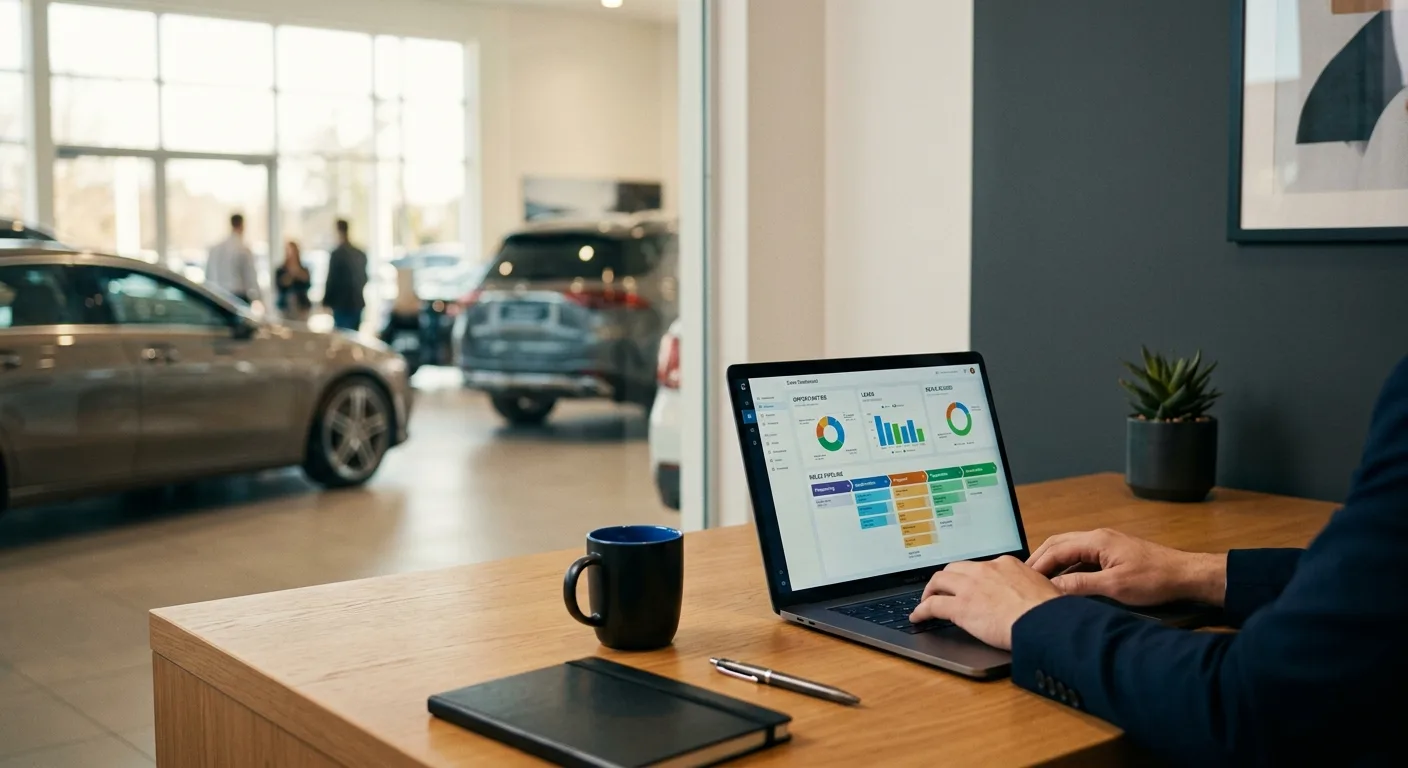
Digital marketing has transformed how car dealerships attract and convert customers. In New Zealand, where the majority of car buyers begin their journey online, dealerships that master digital marketing have a significant competitive advantage. Those that don’t risk losing sales to more digitally savvy competitors.
This guide covers the essential digital marketing practices every New Zealand car dealership should implement to maximise their online presence and generate more sales.
The State of Automotive Digital Marketing in NZ
Before diving into tactics, it’s worth understanding the current landscape.
How Kiwis Research Cars
New Zealand car buyers are digitally sophisticated:
- 87% of buyers research online before visiting a dealership
- Average research time is 10-15 hours across multiple sessions
- Mobile dominates with over 60% of automotive searches on phones
- Multiple touchpoints including Trade Me, Autotrader, Google, YouTube, and social media
This means your digital presence isn’t just marketing—it’s where sales begin.
The Competitive Landscape
Competition for online attention is fierce:
- Major dealer groups invest heavily in digital
- Online-only platforms are growing
- Trade Me and Autotrader dominate classified listings
- Private sellers compete on price
Standing out requires strategic, consistent digital marketing effort.
Search Engine Optimisation (SEO)
SEO helps your dealership appear in Google searches without paying for each click.
Technical SEO Foundations
Site Speed: Fast-loading pages are essential. Each second of delay costs conversions.
Mobile-First Design: Google prioritises mobile-friendly sites. Your site must work perfectly on phones.
Secure Connection: Use HTTPS for security and search ranking benefits.
Clean Site Structure: Organised navigation helps both users and search engines.
On-Page SEO
Title Tags and Meta Descriptions: Optimise these for each page with relevant keywords and compelling descriptions.
Header Structure: Use proper heading hierarchy (H1, H2, H3) to organise content.
Vehicle Pages: Each vehicle should have unique, detailed content with relevant keywords.
Local Keywords: Include location-specific terms throughout your site.
Local SEO
Local search is crucial for dealerships.
Google Business Profile:
- Complete and accurate information
- Correct business categories
- Regular posts and updates
- Responses to all reviews
- High-quality photos
Local Citations: Ensure consistent business information across:
- AA Motoring Services
- MTA directory
- Local business directories
- Industry associations
Location Pages: Create pages for each area you serve with locally relevant content.
Content Strategy
Regular content supports SEO and demonstrates expertise:
- Vehicle comparison articles
- Buyer’s guides for different vehicle types
- Market commentary and industry news
- Maintenance and ownership tips
- New model announcements and reviews
Paid Advertising
Paid advertising provides immediate visibility and measurable results.
Google Ads Strategy
Campaign Structure: Organise campaigns logically:
- Brand campaigns (your dealership name)
- Model campaigns (specific makes/models)
- Category campaigns (SUVs, sedans, utes)
- Location campaigns (city/regional targeting)
Keyword Strategy: Target high-intent searches:
- “[Make] [Model] for sale [City]”
- “[Vehicle type] dealers [Location]”
- “Buy [Make] NZ”
- “Used cars [City]”
Vehicle Listing Ads: Google’s vehicle listing ads display your inventory directly in search results:
- Connect your inventory feed to Google Merchant Center
- Enable vehicle ads in Google Ads
- Track performance and optimise
Performance Max: Performance Max campaigns can be effective for automotive:
- Upload your vehicle feed
- Set conversion goals
- Let Google optimise across all properties
- Monitor quality and adjust as needed
Social Media Advertising
Facebook and Instagram:
Automotive Inventory Ads: Facebook’s dynamic inventory ads show relevant vehicles to interested users:
- Upload your vehicle catalogue
- Target based on interests and behaviours
- Show specific vehicles to people who’ve viewed them
Awareness Campaigns: Build brand awareness through:
- Video content showcasing your dealership
- Customer success stories
- New arrival announcements
Retargeting: Re-engage website visitors who didn’t convert:
- Show specific vehicles they viewed
- Highlight promotions and incentives
- Drive them back to complete enquiries
Marketplace Advertising
Trade Me Motors:
- Featured listings for priority vehicles
- Super-featured for maximum visibility
- Dealer store optimisation
- Response time optimisation
Autotrader:
- Premium placements
- Complete listing optimisation
- Dealer profile enhancement
Social Media Marketing
Social media builds brand awareness and engages potential buyers.
Platform Strategy
Facebook: Primary platform for most dealerships
- Inventory showcasing
- Customer community building
- Paid advertising platform
- Messenger for customer communication
Instagram: Visual platform for vehicle showcase
- High-quality vehicle photography
- Stories for behind-the-scenes content
- Reels for short-form video
- Shopping integration for inventory
YouTube: Video content platform
- Vehicle walkaround videos
- Customer testimonials
- Dealership brand videos
- How-to and educational content
LinkedIn: B2B and fleet opportunities
- Commercial vehicle focus
- Fleet and business relationships
- Industry thought leadership
Content Calendar
Maintain consistent posting:
Weekly content ideas:
- New arrival features
- Customer delivery photos
- Staff spotlights
- Market updates
- Behind-the-scenes content
Monthly content ideas:
- Vehicle comparison content
- Customer success stories
- Promotional campaigns
- Community involvement highlights
Engagement Strategy
Social media requires two-way communication:
- Respond to all comments and messages promptly
- Address negative feedback professionally
- Encourage user-generated content
- Run engagement campaigns and competitions
Website Optimisation
Your website is your digital showroom—it must convert visitors to leads.
User Experience
Navigation: Clear, intuitive navigation helps users find what they want.
Search Functionality: Robust inventory search with filters for make, model, price, and features.
Page Speed: Fast loading across all devices and connections.
Mobile Experience: Seamless functionality on phones and tablets.
Inventory Presentation
Photography: High-quality, consistent photography for every vehicle:
- Minimum 20 photos per vehicle
- Multiple angles (exterior, interior, engine, features)
- Consistent backgrounds and lighting
- Highlight key features
Descriptions: Detailed, compelling descriptions:
- Full specifications
- Feature highlights
- Vehicle history information
- Clear pricing
Organisation: Easy-to-browse inventory:
- Filter by make, model, price, body type, fuel type
- Sort options (price, date listed, mileage)
- Save/compare functionality
Lead Capture
Make it easy to convert visitors to leads:
Multiple Contact Options:
- Phone (click-to-call on mobile)
- Email enquiry forms
- Live chat
- WhatsApp or Messenger
Strategic CTAs:
- Enquire about this vehicle
- Book a test drive
- Get finance quote
- Trade-in valuation
Finance Tools:
- Payment calculators
- Pre-approval applications
- Finance comparison tools
Email Marketing
Email nurtures relationships with potential and past customers.
List Building
Capture emails through:
- Vehicle enquiry forms
- Finance applications
- Service bookings
- Newsletter sign-ups
- Competition entries
Email Types
Inventory Alerts: Notify subscribers about new arrivals matching their interests.
Promotional Campaigns: Share sales events and special offers.
Service Reminders: Maintain relationship through service communication.
Newsletters: Regular updates with market news and dealer updates.
Automation
Automate key email sequences:
- Welcome series for new subscribers
- Follow-up sequences for enquiries
- Re-engagement campaigns for inactive leads
- Service reminder sequences
Reputation Management
Online reputation significantly impacts purchasing decisions.
Review Strategy
Generating Reviews:
- Ask satisfied customers for reviews
- Make the review process easy
- Follow up after positive experiences
- Train staff on review requests
Review Platforms:
- Google Business Profile
- Trade Me dealer ratings
- Autotrader reviews
Responding to Reviews:
- Thank positive reviewers
- Address negative reviews professionally
- Take serious complaints offline
- Learn from feedback
Building Trust
Trust Signals:
- MTA membership display
- Warranty information
- Customer testimonials
- Awards and recognition
- Years in business
Analytics and Measurement
Data-driven decisions improve marketing performance.
Essential Tracking
Website Analytics (Google Analytics):
- Traffic sources
- User behaviour
- Vehicle page views
- Conversion tracking
Advertising Metrics:
- Cost per click
- Cost per lead
- Conversion rates
- Return on ad spend
CRM Tracking:
- Lead source attribution
- Lead-to-sale conversion
- Sales by marketing channel
- Customer lifetime value
Key Performance Indicators
Track these metrics regularly:
- Website traffic and sources
- Lead volume by channel
- Lead-to-sale conversion rate
- Cost per lead and cost per sale
- Return on marketing investment
Compliance Considerations
Digital marketing must comply with relevant regulations.
Fair Trading Act: All advertising must be accurate and not misleading.
Privacy Act: Handle customer data appropriately and transparently.
Unsolicited Electronic Messages Act: Email marketing must comply with spam legislation.
Consumer Guarantees Act: Understand your obligations in marketing materials.
CCCFA: Finance advertising must meet disclosure requirements.
Building Your Digital Marketing Team
Effective digital marketing requires dedicated resources.
In-House vs Outsourced
In-House Advantages:
- Deep dealership knowledge
- Immediate response capability
- Integrated with sales team
Outsourced Advantages:
- Specialist expertise
- Access to latest tools and techniques
- Scalable resources
- Fresh perspectives
Many dealerships use a hybrid approach—in-house coordination with specialist agency support for complex activities like paid advertising and SEO.
Partner with Digital Marketing Experts
Comprehensive digital marketing requires significant expertise and ongoing effort. Partnering with specialists allows your team to focus on selling cars while experts handle online marketing.
At Lucid Leads, we specialise in digital marketing for automotive businesses across New Zealand. We understand the unique challenges of dealership marketing and can help you maximise your online presence.
Ready to Transform Your Digital Marketing?
If you want to generate more leads and sell more cars, effective digital marketing is essential.
Book a free strategy call with Lucid Leads today to discuss your dealership’s digital marketing goals. We’ll audit your current online presence, identify opportunities for improvement, and develop a customised strategy to drive more qualified buyers to your showroom.
Contact us now to start accelerating your digital marketing results.
Ready to Generate More Leads?
Let's discuss how we can help you get 30 qualified leads in 30 days with our proven TAP System.
Book a Free Strategy CallRelated Articles
Continue learning about lead generation and paid advertising
Automotive Lead Generation NZ: How to Sell More Cars in 2026
Discover proven automotive lead generation strategies for New Zealand car dealerships. Learn how to attract more buyers and boost sales.

Spa and Wellness Marketing NZ: Digital Strategies That Work
Learn effective digital marketing strategies for NZ spas and wellness centres. Target affluent clients, promote packages, and master seasonal campaigns.
Written by

Founder & Lead Generation Specialist
Jason Poonia is the founder of Lucid Leads, helping service businesses across New Zealand generate qualified leads through paid advertising and conversion-focused funnels. With a background in Computer Science from the University of Auckland and over 5 years of experience running lead generation campaigns, Jason has helped businesses in construction, trades, real estate, and professional services generate thousands of qualified leads. His data-driven approach combines targeted ad strategies with rapid lead qualification to deliver prospects who are ready to buy.