
Lead Generation for Solar Installers NZ
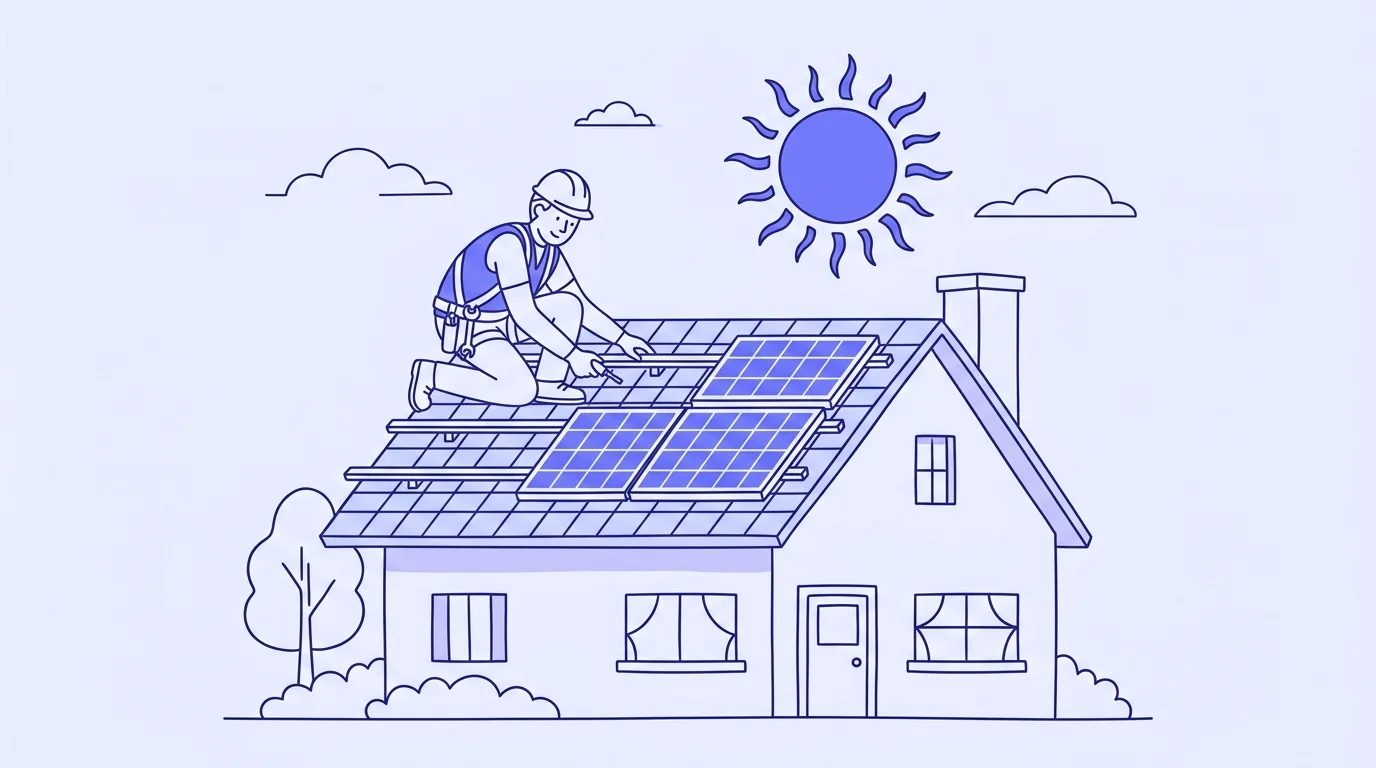
Lead generation for solar installers in New Zealand means consistently attracting homeowners and businesses who are ready to invest in solar, then qualifying them quickly so your team only quotes jobs worth winning. In practice that involves a few moving parts working together: paid ads on Google and Facebook that put your business in front of people researching solar, a website or landing page built around a free assessment or savings estimate, fast follow-up the moment an enquiry lands, and a qualification step that confirms the basics before you book a site visit. Solar is a high-value, high-consideration purchase, so the goal is not just more enquiries. It is the right enquiries from people who own their home, have a suitable roof, and a power bill big enough to make the numbers stack up.
This guide walks through proven lead generation strategies tailored specifically for solar installers operating in the New Zealand market.
Understanding the NZ Solar Market
New Zealand’s solar industry has shifted from a niche, early-adopter purchase to a mainstream consideration for everyday households. Rising electricity prices, growing environmental awareness, and falling panel costs have all pushed solar into the conversation for far more Kiwi homeowners than even a few years ago.
Key Market Characteristics
- Rising power prices driving homeowners to look for ways to take control of their bills
- Strong residential demand across both new builds and existing homes seeking retrofits
- Growing commercial interest from businesses with large roofs and daytime energy use
- Battery storage uptake as households look to store daytime generation for evening use
- High consideration purchase where trust, payback, and return on investment drive decisions
Solar is rarely an impulse buy. Most homeowners spend weeks or months researching before they commit, comparing installers, weighing up the upfront cost against long-term savings, and asking friends and neighbours about their experience. Understanding this longer decision cycle is critical to building lead generation that actually converts.
Why ROI and Payback Messaging Wins
The single most powerful message in solar marketing is financial. Homeowners want to know how much they will save, how long it takes to pay off the system, and what happens to their power bill afterwards. Your marketing should lead with savings and payback, not panel specifications.
Frame your offer around outcomes: lower monthly bills, protection against future price rises, and a system that pays for itself over time. Battery storage adds another layer to this conversation, letting households use more of what they generate and rely less on the grid in the evenings. The installers who win are the ones who make the financial case clear and credible.
Building a High-Converting Website
Your website is where curious researchers decide whether to enquire or keep looking. For solar installers in NZ, an effective website should be built around one clear action: requesting a free solar assessment or savings estimate.
Essential Website Elements
A Strong Lead Offer: The best-performing solar websites lead with a free solar assessment or personalised savings estimate. This gives homeowners a low-commitment first step and gives you a qualified enquiry. A purpose-built landing page for trades businesses focused on this single offer will almost always outperform sending traffic to a busy homepage.
Savings and Payback Front and Centre: Show the financial benefit clearly. Use simple, honest framing around bill reduction and payback period rather than technical jargon. Make the value obvious within the first few seconds.
Trust Signals: Solar is a significant investment, so credibility matters enormously. Display your accreditations, manufacturer warranties, years in business, and genuine customer reviews. Photos of completed local installations and short case studies build confidence that you can deliver.
Easy Contact Options: Make it effortless to enquire. A short assessment form, a prominent phone number, and the option to message you all reduce friction. The fewer fields you ask for upfront, the more enquiries you will capture.
A well-structured site does more than look good. It turns expensive ad clicks into real enquiries, which is why landing page quality has such a direct impact on your cost per lead.
Google Ads for Solar Installers
Google Ads captures homeowners at the exact moment they are searching for solar. Someone typing “solar panels Auckland” or “solar installer NZ” has clear intent, and being visible for these searches puts you in front of buyers who are actively researching.
Campaign Structure Best Practices
Organise your campaigns by intent and location:
- High-Intent Solar Campaign: Target keywords like “solar panels [city]”, “solar installer [region]”, and “solar power for home” with messaging built around free assessments and savings
- Battery and Storage Campaign: Capture the growing demand from people searching for “solar battery NZ” or “home battery storage”, often homeowners ready to upgrade or invest more
- Commercial Solar Campaign: Target business owners and facilities managers searching for commercial solar, where job values are substantially higher
A Higher Cost Per Lead Is Acceptable
Solar is a high-value job. A single residential installation can be worth far more than most trade jobs, and commercial systems more again. That changes the maths on what you can afford to pay for a lead.
It is common for solar enquiries to cost more than leads in lower-value trades, and that is completely fine. If a quote turns into a job worth, say, an illustrative $15,000 to $25,000, then paying a meaningfully higher cost per lead than a smaller trade business still leaves room for a strong return. What matters is the cost to acquire a customer relative to job value, not the headline cost per lead. The trap to avoid is chasing cheap leads that never convert. A more expensive, better-qualified enquiry that closes is far more profitable than a flood of tyre-kickers.
Ad Copy That Converts
Effective ad copy for solar should emphasise:
- The savings or payback benefit (lower power bills, protection from price rises)
- A clear, low-commitment offer such as a free assessment or estimate
- Trust markers like accreditation, warranties, and local experience
- Local presence so homeowners know you serve their area
Sustained results from paid search come from ongoing management, not a set-and-forget approach. This is where working with a team that handles paid ads for trades businesses day in and day out can make a real difference to your cost per acquisition.
Facebook and Instagram Ads for Solar
While Google captures people already searching, Facebook and Instagram let you create demand by reaching homeowners who have not yet started looking but fit the profile of an ideal solar customer.
Targeting the Right Homeowners
Meta’s targeting lets you focus on the people most likely to invest in solar:
- Homeowners rather than renters, since home ownership is essential for a solar install
- Age and life stage profiles that align with established households making long-term investments
- Location targeting within your service area
- Interest and behaviour signals around home improvement, sustainability, and energy
Savings-Led Creative
On social media, you are interrupting someone’s feed, so your creative has to earn attention fast. Savings-led messaging works best. Lead with the financial outcome: cut your power bill, beat the next price rise, generate your own power. Pair that with a strong visual of a clean, professional installation on a recognisably Kiwi home.
Short video performs particularly well for solar. A 30-second clip walking through a real installation, a happy customer explaining their bill savings, or a simple explainer of how the numbers work can generate strong, lower-cost enquiries. Combine that creative with a dedicated landing page and a free-assessment offer, and you have a repeatable system for filling your pipeline.
Handling High-Value Quote Requests
A solar enquiry is not the same as a quick callout. Each one represents a potential five-figure job, which means how you handle that enquiry directly affects how many you win.
Speed to Lead Is Everything
When someone requests a solar assessment, they are usually enquiring with more than one installer. The business that responds first has a significant advantage. Research consistently shows that responding within minutes rather than hours dramatically increases the chance of winning the job.
In a high-consideration purchase like solar, that first contact sets the tone. A fast, professional, helpful response signals that you will be just as reliable through the install and beyond. A slow response, or none at all, sends the homeowner straight to your competitor. Building a system that alerts your team instantly and follows up immediately is one of the highest-leverage improvements most solar installers can make.
Nurturing the Longer Sales Cycle
Because solar buyers research for weeks, not every enquiry is ready to sign today. A structured follow-up process keeps you front of mind without being pushy. Helpful follow-ups that answer common questions about payback, finance options, and the install process move warm leads towards a decision at their own pace. A well-built sales funnel for trades businesses automates much of this nurturing so no enquiry slips through the cracks.
Qualifying Solar Leads So You Do Not Waste Time
Quoting solar is time-consuming. Site visits, roof assessments, and detailed proposals all cost your team hours. Quoting the wrong prospects, people who do not own their home, have an unsuitable roof, or a power bill too small to justify the investment, quietly drains profitability. Qualification is how you protect your team’s time.
The Questions That Matter
Before you book a site visit, a few key questions filter out the prospects who will never convert:
- Home ownership: Solar only makes sense for owners, not renters. This is the single most important filter.
- Roof suitability: Roof orientation, pitch, shading, and condition all affect whether a system will perform. A few simple questions can flag obvious problems early.
- Power bill size: The bigger the power bill, the stronger the savings case. Asking about current monthly spend helps you focus on homes where the numbers genuinely work.
- Timeframe and intent: Understanding whether someone is ready to proceed or just gathering information helps you prioritise your effort.
Qualify Within Minutes, Not Days
The ideal is to qualify leads almost as fast as they arrive, so your team only ever spends time on prospects worth quoting. A fast lead qualification process that confirms home ownership, roof suitability, and power bill size up front means your installers walk into every site visit knowing the job is worth their time. This is exactly the kind of filtering that turns a busy pipeline into a profitable one.
Tracking and Measuring Results
Effective lead generation depends on knowing what is working. For solar, where job values are high and the sales cycle is longer, accurate measurement is even more important.
Key Metrics to Monitor
- Cost per lead from each channel
- Lead-to-quote rate after qualification
- Quote-to-sale conversion rate
- Customer acquisition cost relative to job value
- Return on advertising spend across Google and Meta
Because a single solar sale can justify a relatively high cost per lead, always measure success against job value and closed revenue rather than the cost of the enquiry alone. Use call tracking, a CRM, and conversion tracking so you can see clearly which channels deliver customers, not just clicks.
Compliance Considerations
When marketing solar services in NZ, ensure your advertising complies with:
- Fair Trading Act: All savings, payback, and performance claims must be accurate and not misleading
- Consumer Guarantees Act: Be clear about warranties, guarantees, and what is included
- Advertising Standards Authority codes: Follow guidelines for truthful, substantiated advertising
Solar marketing lives and dies on financial claims, so it is especially important that any savings or payback figures you advertise can be backed up.
How Lucid Leads Helps Solar Installers
Implementing all of this, the ads, the landing pages, the instant follow-up, and the qualification, takes time and expertise that most solar installers would rather spend installing systems.
At Lucid Leads, we build done-for-you lead generation systems for trade businesses across New Zealand. For solar installers, that means running your Google and Facebook campaigns, building high-converting landing pages around a free-assessment offer, and qualifying every enquiry on home ownership, roof suitability, and power bill size so your team only quotes jobs worth winning. With fast follow-up, plus optional 10-minute lead qualification from our team, you contact serious buyers before your competitors do, and our 30 leads in 30 days guarantee means we back ourselves to deliver.
If you have read our guides on HVAC lead generation in New Zealand or lead generation for roofing contractors, you will recognise the same principles at work here, adapted for the higher value and longer sales cycle of solar.
Book a free strategy call today to discuss how we can help your solar business generate more high-quality, qualified leads and grow sustainably. Book a call here.
Frequently Asked Questions
How much does it cost to generate a solar lead in NZ?
It depends on your area, competition, and the channels you use, but solar leads typically cost more than leads in lower-value trades. That is acceptable because solar jobs are high value. As an illustration, if a job is worth several thousand dollars or more, paying a meaningfully higher cost per lead can still deliver a strong return. Always measure cost against job value and closed revenue, not the headline cost per enquiry.
Which channel works best for solar lead generation?
Google Ads captures homeowners who are already searching for solar and tends to deliver high-intent enquiries quickly. Facebook and Instagram are powerful for creating demand with savings-led creative aimed at homeowners who have not started looking yet. The strongest results usually come from running both together, supported by a strong landing page and fast follow-up.
How do I avoid wasting time quoting the wrong people?
Qualify every enquiry before you book a site visit. The key filters are home ownership, roof suitability, and power bill size. A fast qualification process confirms these up front so your team only quotes prospects who can realistically proceed, protecting your installers’ time and your profit margin.
Why is responding quickly to solar enquiries so important?
Solar buyers almost always enquire with more than one installer. The business that responds first has a major advantage, and responding within minutes rather than hours significantly increases your chance of winning the job. Fast, professional follow-up also signals the reliability homeowners are looking for in a major investment.
Can battery storage help with lead generation?
Yes. Battery storage is a growing area of interest, and homeowners searching for solar batteries are often ready to invest more in a complete system. Including battery and storage messaging in your ads and on your website lets you capture this demand and position your business for higher-value sales.
Related Articles
Continue learning about lead generation and paid advertising

Lead Generation for Painters NZ: Get More Painting Jobs
Lead generation for painters in New Zealand made simple. Get more painting jobs from Google Ads, Facebook and a website that books quotes while you work.

Facebook Ads for Tradies: A Step-by-Step Guide
Learn how to create effective Facebook ads for your trade business in NZ. Step-by-step guide to generating leads from social media advertising.
Written by

Founder & Lead Generation Specialist
Jason Poonia is the founder of Lucid Leads, helping service businesses across New Zealand generate qualified leads through paid advertising and conversion-focused funnels. With a background in Computer Science from the University of Auckland and over 5 years of experience running lead generation campaigns, Jason has helped businesses in construction, trades, real estate, and professional services generate thousands of qualified leads. His data-driven approach combines targeted ad strategies with rapid lead qualification to deliver prospects who are ready to buy.