
How to Generate Leads Online for Your NZ Business
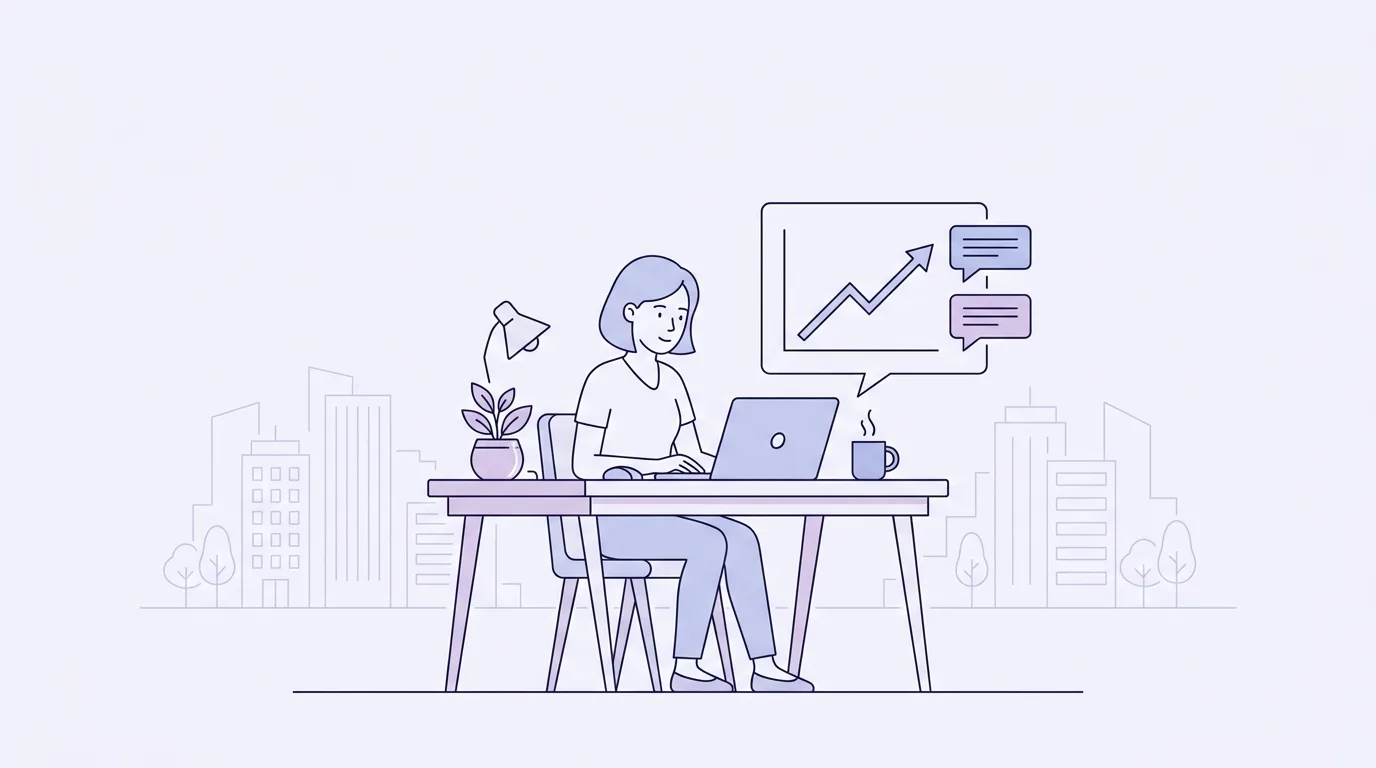
To generate leads online NZ businesses need three things working together: a website built to convert, at least one channel that puts you in front of people actively searching, and a follow-up system that answers enquiries fast. Get those three right and a quiet site that drips one or two enquiries a month can comfortably produce fifteen to thirty qualified leads. The mistake almost everyone makes is chasing more traffic before fixing what happens after the click.
We run lead generation for service businesses across nearly every industry we work with in New Zealand, from Auckland tradies to Wellington law firms, and the pattern barely changes. The owner thinks they have a traffic problem. They almost never do. They have a conversion and follow-up problem, and those are the cheapest, fastest things to fix.
If you have just launched, or you are new to a crowded market like Auckland, the same order still applies. You simply lean harder on the channels that bring enquiries fast while your reputation and rankings build. A brand-new business with no reviews and no ranking history cannot wait six months for SEO, so you start with paid search to get leads in the door, then layer in local SEO as you go. If you would rather a local team handle it, here is how we work as a lead generation company in Auckland.
This guide walks through exactly how to generate leads online, in the order we tackle it with our own clients. No theory you cannot use this week.
What “Generating Leads Online” Actually Means
A lead is a contactable enquiry: a name and a way to reach them, attached to genuine interest in what you sell. Generating leads online is the work of turning anonymous website visitors and ad clicks into those contactable enquiries, predictably and at a cost that makes sense for your margins.
That last part matters. A roofing company that earns $4,000 per job can happily pay $120 for a lead. A cafe selling $6 coffees cannot. Before you spend a dollar, you need to know two numbers: what a customer is worth to you, and what you can afford to pay to acquire one. Everything in this guide hangs off those two figures.
There is no single “best” way to generate leads online in NZ. There is the right mix for your business, your margins and your market. Let us build it.
1. Fix Your Website Before You Spend on Traffic
Pouring visitors into a page that does not convert is just a faster way to waste money. We almost always start here.
Lead with a promise, not a welcome
The top of your homepage, the part visible before anyone scrolls, is the most valuable space you own. A stranger should be able to answer three questions within three seconds: what you do, who you do it for, and what to do next. Replace “Welcome to our website” with a plain promise like “Emergency electricians across Christchurch, on site within the hour.”
Make the next step obvious
One clear call to action beats five competing ones. “Get a free quote”, “Book a call” or “Request a callback” should appear above the fold and repeat down the page. Every extra choice you give a visitor is a chance for them to choose nothing.
Build for phones first
More than 70% of enquiries to the NZ sites we manage come from mobile. If your form is fiddly on a phone, your buttons are too small, or the page takes more than three seconds to load, you are losing leads before anyone reads a word. Test your own site on your phone on mobile data, not office wifi.
Cut your forms down
Every field you add costs you completions. Name, phone or email, and a one-line “how can we help” is usually enough. You can qualify properly on the call. Asking for a budget, a company size and a postal address up front just kills conversions.
A site converting visitors at 2% turns 1,000 monthly visitors into 20 enquiries. Lift that to 4% and you have doubled your leads without spending a cent more on traffic. This is why the site comes first.
2. Choose the Right Channels for How Kiwis Actually Search
Once the site converts, you turn on the taps. The two channels that consistently bring the most motivated New Zealand customers are search advertising and search engine optimisation, because both catch people at the exact moment they are looking to buy.
Google Ads for leads you need this month
Google Ads (search) puts you at the top of the results when someone types “plumber near me” or “family lawyer Tauranga”. You pay per click, you can switch it on today, and you control the budget to the dollar.
Expect to pay roughly $3 to $9 per click in competitive NZ service categories, which works out to a cost per lead of $40 to $150 depending on trade and region. It is not cheap, but it is fast and the intent is high. Costs swing a fair bit by trade, our guide to lead generation for electricians shows how the maths plays out in one trade in practice. If you need enquiries this month, this is usually where we start.
SEO and local SEO for leads that compound
Search engine optimisation earns you rankings you do not pay per click for. It is slower, typically three to six months to gain real traction, but the leads keep coming once you rank, and they cost less over time.
For most NZ service businesses, local SEO is the highest-value version of this. A fully optimised Google Business Profile, consistent name, address and phone details across directories, and genuine customer reviews will put you in the local map pack, where a large share of “near me” searches convert. Reviews are not optional here. They are the single biggest local ranking and trust lever you have.
Social ads for demand you create
Google catches people already searching. Meta (Facebook and Instagram) and TikTok ads put you in front of people who were not looking yet, which is powerful for visual services, new offers, and broad consumer categories. Lead-form ads that let someone enquire without leaving the app can produce cheap leads, though they often need tighter qualification than search leads.
Email for leads you already have
Email marketing remains one of the strongest tools you own, especially automated. Most people who land on your site are not ready to buy today. A simple lead magnet, a checklist, a pricing guide, a free assessment, captures their email so you can nurture them until they are ready. We will come back to this.
You do not need all of these at once. Pick one acquisition channel that matches your margins and master it before adding a second.
3. Give People a Reason to Hand Over Their Details
Most visitors are not ready to ring you. If your only option is “contact us”, you lose everyone who is still weighing it up. The fix is to offer something useful in exchange for an email.
Lead magnets and assessments
A good lead magnet solves a small problem for free. For a mortgage broker, that might be a “borrowing power calculator”. For a builder, a “renovation cost guide for NZ homes”. Online assessments and quizzes are especially effective, converting 20 to 40% of visitors into qualified leads when the questions are genuinely useful, because the person tells you exactly what they need while opting in.
Match the offer to the buying stage
Someone ready to buy wants a quote. Someone researching wants a guide. Put both on the page. The quote captures hot leads, the guide captures the larger pool of warm ones you would otherwise lose, and email nurtures them toward a sale on their timeline.
4. Respond Fast, Because Speed Wins the Deal
This is the step most NZ businesses get wrong, and it is the cheapest to fix. You can do everything above perfectly and still lose half your leads here.
The data is brutal. Businesses that respond to a new enquiry within five minutes are far more likely to win the work than those who take an hour, and most enquiries go to whoever replies first, not whoever is best. After 30 minutes, the lead has usually rung a competitor.
Set up instant notifications so enquiries hit your phone the moment they land. Use an auto-reply text or email to buy yourself time and reassure the lead you are on it. If you cannot answer calls during the day, an after-hours system or simple automation will catch the enquiries you are currently letting fall through the cracks.
A lead you do not answer fast is money you spent to send a customer to your competitor.
5. Track What Works, Then Double Down
You cannot improve what you do not measure. Without tracking, you are guessing which channel earns its keep, and you will keep funding the ones that do not.
At minimum, set up conversion tracking so you know which channel, campaign and page produces each enquiry. Google Analytics 4, call tracking for phone enquiries, and a simple record of where each lead came from will tell you your cost per lead by channel. Once you know that one channel produces leads at $60 and another at $180, the decision makes itself.
Review the numbers monthly. Cut what is not working, put the budget into what is, and keep testing your landing pages. Small, steady improvements to conversion rate compound faster than any single clever campaign.
Putting It All Together
You do not need to do everything at once, and you should not try. The order matters.
First, fix the website so it converts. Second, turn on one acquisition channel that suits your margins, usually Google Ads for speed or local SEO for the long game. Third, add a lead magnet so you capture the visitors who are not ready yet. Fourth, respond within five minutes, every time. Fifth, track everything and reinvest in what works.
Done in that order, this is how NZ businesses build a lead generation system that produces enquiries reliably, month after month, rather than hoping the phone rings. It is steady, measurable work, and it beats luck every time.
If you would rather have a team build and run this for you, book a call with us and we will map out the fastest path to more leads for your business. You can see exactly how we work end to end, or read how we help New Zealand businesses generate leads online on our homepage.
Frequently Asked Questions
How much does it cost to generate leads online in NZ?
It depends on your channel and industry. With Google Ads, most NZ service businesses pay a cost per lead of $40 to $150. SEO and local SEO cost more up front but drive cheaper leads over time. The number that actually matters is whether a lead costs less than what a customer is worth to you, so calculate your customer value first.
How long does it take to start getting leads online?
Google Ads can produce enquiries within days of going live, which is why we often start there. SEO and content typically take three to six months to gain real traction but compound after that. A fast result and a durable one are different jobs, and most businesses need both.
What is the best way to generate leads online for a small business?
Start with a website that converts, then run Google Ads or local SEO depending on whether you need leads now or are building for the long term. Add a lead magnet to capture visitors who are not ready to buy, and respond to every enquiry within five minutes. That combination beats spreading yourself thin across ten channels.
Do I need a big budget to generate leads online?
No. The highest-return fixes cost almost nothing: a clearer website, a stronger call to action, faster follow-up and a single well-run channel. We regularly see businesses double their enquiries by improving conversion and response time before increasing ad spend at all.
Should I do lead generation myself or hire an agency?
If you have the time to learn the platforms, test landing pages and respond fast, you can run the basics yourself. Most owners do not have that time, and the cost of a poorly set up campaign usually exceeds an agency fee. The right answer depends on your margins and how much your time is worth. If you decide to outsource, here is what a good lead generation agency should be doing for you.
Ready to Generate More Leads?
Let's discuss how we can help you get 30 qualified leads in 30 days with our proven TAP System.
Book a Free Strategy CallRelated Articles
Continue learning about lead generation and paid advertising
Lead Generation as a Service: How It Works, What It Costs, and When to Buy It
Lead generation as a service explained: what you actually get, how much to pay, and whether an outsourced model beats DIY for NZ service businesses.

10 Proven Strategies to Generate High-Quality Leads from Google Ads in 2026
Discover 10 proven Google Ads lead generation strategies for 2026. Learn how to get high-quality leads from Google with expert tips. Boost conversions now!
Written by

Founder & Lead Generation Specialist
Jason Poonia is the founder of Lucid Leads, helping service businesses across New Zealand generate qualified leads through paid advertising and conversion-focused funnels. With a background in Computer Science from the University of Auckland and over 5 years of experience running lead generation campaigns, Jason has helped businesses in construction, trades, real estate, and professional services generate thousands of qualified leads. His data-driven approach combines targeted ad strategies with rapid lead qualification to deliver prospects who are ready to buy.