
CRM for Small Business NZ: Why You Need One and How to Choose

Why Every NZ Small Business Needs a CRM in 2026
If you’re running a small business in New Zealand without a Customer Relationship Management (CRM) system, you’re likely leaving money on the table. Whether you’re a tradie, consultant, service provider, or retailer, the way you manage customer relationships directly impacts your bottom line.
In this comprehensive guide, we’ll explore what a CRM actually is, why it’s essential for Kiwi small businesses, and how to choose the right one for your specific needs.
What Exactly is a CRM?
A CRM, or Customer Relationship Management system, is software that helps you organise, track, and manage all interactions with your leads and customers. Think of it as a digital hub that stores every conversation, quote, job, and follow-up in one accessible location.
At its core, a CRM helps you:
- Store contact information - Keep all customer details in one searchable database
- Track communications - Log emails, calls, and meetings automatically
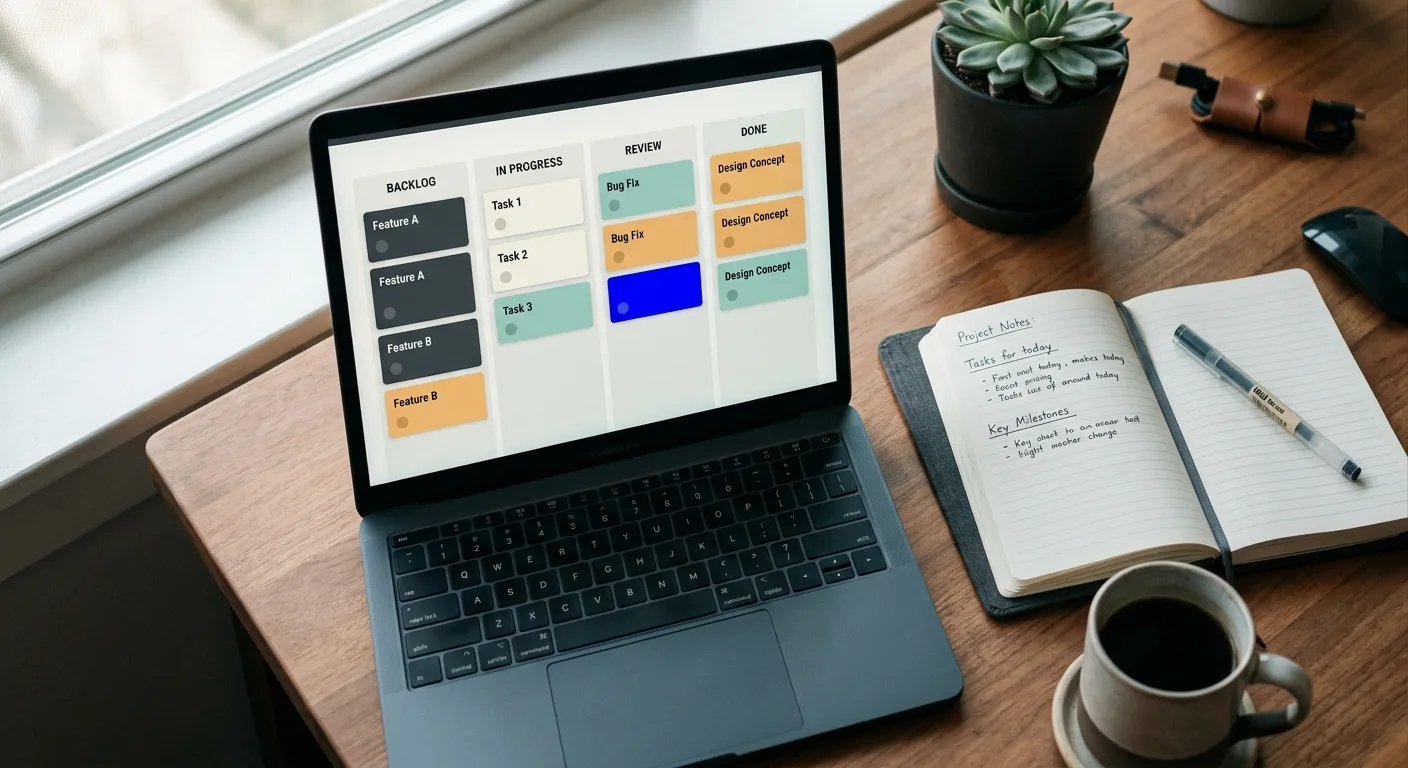
- Manage your sales pipeline - Visualise where each lead is in your sales process
- Automate follow-ups - Never forget to follow up with a potential customer again
- Generate reports - Understand your business performance at a glance
Gone are the days of scattered spreadsheets, sticky notes, and trying to remember which customer you promised to call back. A CRM brings order to the chaos of managing customer relationships.
The Real Benefits of CRM for NZ Small Businesses
1. Never Lose Another Lead
For most small businesses, leads come from multiple sources: website enquiries, phone calls, referrals, social media, and advertising platforms. Without a CRM, it’s remarkably easy for leads to slip through the cracks.
A well-implemented CRM ensures every lead is captured, assigned, and followed up with. Our data shows that businesses using a CRM convert 29% more leads than those relying on manual methods. When you’re paying good money for Google Ads or Facebook campaigns, losing leads to poor follow-up is essentially throwing that investment away.
2. Faster Response Times
Speed matters in lead conversion. Studies consistently show that responding to a lead within 5 minutes makes you 21 times more likely to convert them compared to waiting 30 minutes or more.
A CRM with proper notifications ensures you’re alerted immediately when a new lead comes in. Many systems can even send automated initial responses, keeping the prospect engaged while you prepare a proper reply.
3. Better Customer Experience
Kiwis value personalised service. When a customer calls and you can immediately see their history, past quotes, and previous conversations, you deliver a premium experience that builds trust and loyalty.
“Hi John, good to hear from you again. How did that deck project we quoted on last month work out?”
That level of personalisation is only possible when you have organised customer data at your fingertips.
4. Improved Team Collaboration
If you have staff or plan to grow, a CRM becomes even more valuable. Everyone on your team can see customer interactions, avoiding the dreaded “I didn’t know you’d already spoken to them” scenario.
When a team member is sick or leaves the business, their customer knowledge doesn’t walk out the door with them. It’s all captured in the CRM.
5. Data-Driven Decisions
Without a CRM, answering basic business questions becomes guesswork:
- How many leads did we get last month?
- What’s our average time to close a deal?
- Which marketing channel brings the best leads?
- What’s our conversion rate at each pipeline stage?
A CRM gives you these answers instantly, allowing you to make informed decisions about where to invest your time and marketing budget.
Popular CRM Options for New Zealand Businesses
The CRM market has exploded in recent years, with options ranging from free tools to enterprise-level solutions. Here’s an overview of the most popular choices for NZ small businesses:
HubSpot CRM
Best for: Businesses wanting a free starting point with room to grow
HubSpot offers a genuinely capable free CRM tier that includes contact management, deal tracking, email integration, and basic reporting. For many small businesses, this free version provides everything they need.
Pros:
- Generous free tier with no time limit
- Excellent user interface and ease of use
- Strong marketing automation in paid tiers
- Good mobile app for on-the-go access
Cons:
- Advanced features require paid upgrades
- Can become expensive as you scale
- Some features are overkill for very small businesses
NZ Pricing: Free tier available; paid plans from $27 NZD/month per user
Pipedrive
Best for: Sales-focused businesses who want simplicity
Pipedrive is built around the visual sales pipeline, making it incredibly intuitive for tracking deals. It’s particularly popular with service businesses and trades.
Pros:
- Extremely visual and easy to use
- Strong mobile app
- Excellent for sales pipeline management
- Good automation capabilities
Cons:
- Limited marketing features
- Reporting less comprehensive than competitors
- No free tier (only 14-day trial)
NZ Pricing: From $21 NZD/month per user
Zoho CRM
Best for: Businesses wanting comprehensive features at lower cost
Zoho offers perhaps the best value in the CRM market, with a wide range of features at competitive prices. It also integrates with Zoho’s extensive suite of business tools.
Pros:
- Excellent value for money
- Free tier for up to 3 users
- Comprehensive feature set
- Strong customisation options
Cons:
- Interface less polished than competitors
- Steeper learning curve
- Some integrations require Zoho ecosystem
NZ Pricing: Free for up to 3 users; paid plans from $20 NZD/month per user
Freshsales (by Freshworks)
Best for: Businesses wanting AI-powered insights
Freshsales combines CRM functionality with AI-powered lead scoring and insights, helping you prioritise the leads most likely to convert.
Pros:
- Built-in phone and email
- AI-powered lead scoring
- Clean, modern interface
- Good automation features
Cons:
- Some features require higher tiers
- Less market presence in NZ
- Fewer third-party integrations
NZ Pricing: Free tier available; paid plans from $22 NZD/month per user
How to Choose the Right CRM for Your Business
With so many options available, choosing the right CRM can feel overwhelming. Here’s a practical framework for making the decision:
Step 1: Define Your Requirements
Before looking at specific platforms, list what you actually need:
- How many users need access?
- What’s your budget per month?
- Do you need mobile access?
- What integrations are essential (email, accounting software, advertising platforms)?
- Do you need marketing automation or just sales tracking?
Step 2: Consider Your Technical Comfort
Be honest about your team’s technical abilities. A powerful CRM with a steep learning curve will go unused if your team finds it frustrating. Sometimes the simpler option that actually gets used beats the feature-rich option that gathers dust.
Step 3: Think About Growth
Choose a CRM that can grow with you. Moving CRM systems is painful, so it’s worth selecting a platform that can accommodate your business in 2-3 years, not just today.
Step 4: Trial Before You Commit
Every major CRM offers a free trial. Use this time to:
- Import a sample of your contacts
- Set up your actual sales pipeline stages
- Test the mobile app
- Try the integrations you need
- Get feedback from anyone who’ll use it daily
Step 5: Factor in Support and Training
Consider what support is available. Does the provider offer onboarding assistance? Is there a local NZ presence for support? Are there good video tutorials and documentation?
Getting Started: Your First Steps
If you’re new to CRM, here’s how to get started:
- Start with a free option - HubSpot or Zoho’s free tiers let you learn without financial commitment
- Import your existing contacts - Get all your current customers and leads into the system
- Set up your pipeline stages - Define the steps from new lead to closed customer
- Connect your email - Most CRMs can track emails automatically
- Commit to using it - The biggest CRM failure is abandonment; make it part of your daily routine
The Bottom Line
A CRM is no longer optional for NZ small businesses serious about growth. The ability to capture every lead, follow up systematically, and understand your sales data gives you a significant competitive advantage.
The good news is that excellent CRM options are available at every price point, including free. The key is choosing a platform that matches your needs and actually using it consistently.
Ready to take your lead management to the next level? Start with a free CRM trial today, and if you need help integrating it with your advertising campaigns, Lucid Leads is here to help.
Ready to Generate More Leads?
Let's discuss how we can help you get 30 qualified leads in 30 days with our proven TAP System.
Book a Free Strategy CallRelated Articles
Continue learning about lead generation and paid advertising
HubSpot vs Pipedrive vs Zoho: Which CRM is Best for NZ Businesses?
Compare HubSpot, Pipedrive, and Zoho CRM features, pricing, and use cases to find the perfect CRM for your New Zealand business in 2026.

Integrating Your CRM with Facebook and Google Ads
Learn how to connect your CRM with Facebook and Google Ads for automatic lead sync, better tracking, and improved campaign attribution in New Zealand.
Written by

Founder & Lead Generation Specialist
Jason Poonia is the founder of Lucid Leads, helping service businesses across New Zealand generate qualified leads through paid advertising and conversion-focused funnels. With a background in Computer Science from the University of Auckland and over 5 years of experience running lead generation campaigns, Jason has helped businesses in construction, trades, real estate, and professional services generate thousands of qualified leads. His data-driven approach combines targeted ad strategies with rapid lead qualification to deliver prospects who are ready to buy.