
Lead Generation for Gyms and Fitness Businesses NZ: The Complete Guide
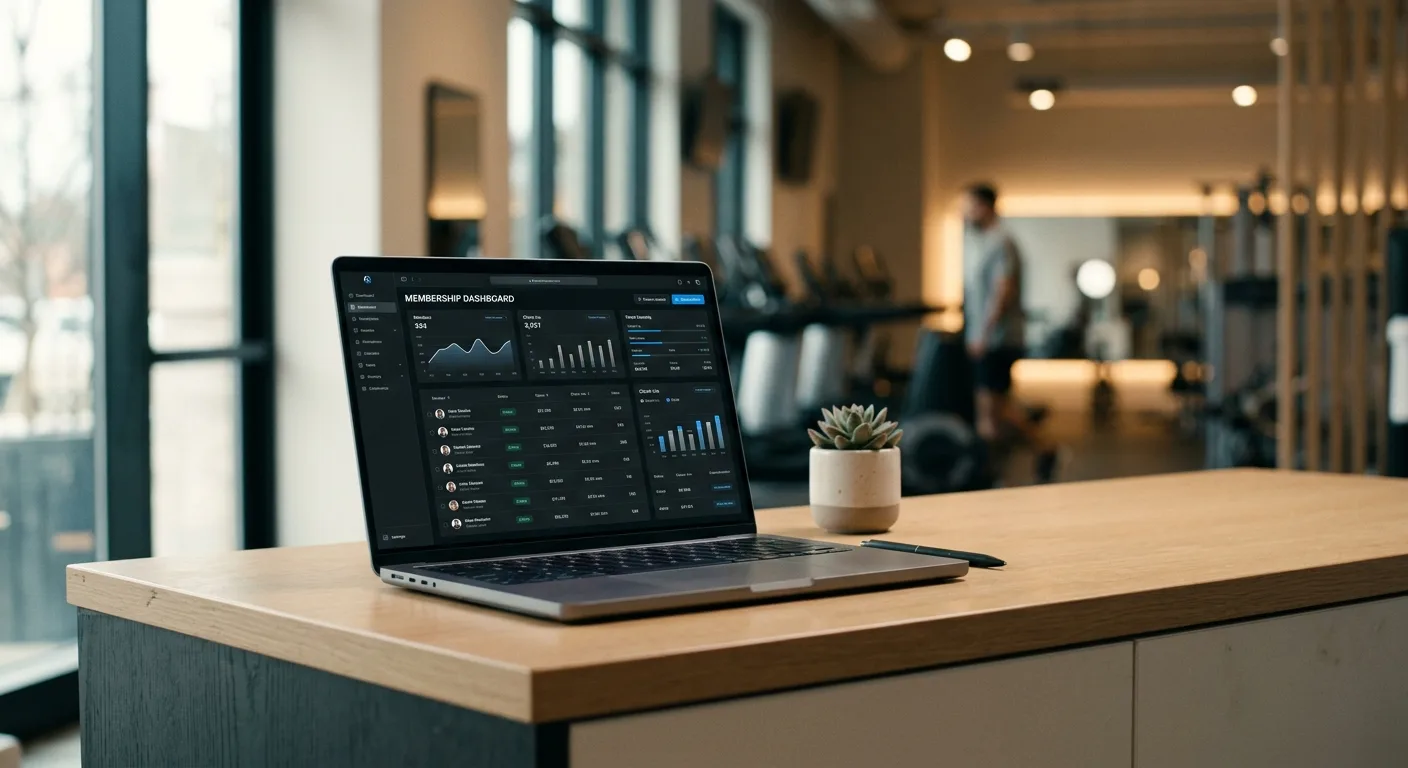
Growing a fitness business in New Zealand requires more than quality equipment and experienced trainers. In a competitive market with options ranging from budget chains to boutique studios, gyms and fitness professionals need systematic approaches to attracting and converting new members. Whether you’re running a CrossFit box in Wellington or a personal training studio in Auckland, effective lead generation determines your growth trajectory.
This guide explores proven strategies for fitness businesses operating throughout New Zealand.
Understanding the NZ Fitness Market
New Zealand’s fitness industry has unique characteristics shaping lead generation approaches.
Market Characteristics
- High gym penetration with 15%+ of New Zealanders holding gym memberships
- Boutique studio growth in specialised fitness (CrossFit, F45, yoga, pilates)
- Post-COVID shifts with hybrid in-person/online models emerging
- Strong outdoor culture creating competition from free alternatives
- Seasonal patterns with New Year and spring driving enquiries
- Price sensitivity across segments from budget to premium
Fitness Business Categories
Different fitness models require tailored approaches:
Traditional Gyms: Large membership bases, lower price points, volume-focused Boutique Studios: Specialised offerings, higher prices, community-focused Personal Training: High-touch, premium pricing, relationship-based Online Coaching: Scalable, geographic flexibility, content-heavy marketing Group Fitness: Class-based, social element, retention-focused
Building a Member-Generating Website
Your website must convert visitors into trial bookings or membership enquiries.
Essential Website Elements
Clear Value Proposition: What makes your gym different? State it prominently. “Auckland’s only powerlifting-focused gym” or “Small group training limited to 6 people.”
Virtual Tour: Photos and video of your facility. People want to see what they’re joining before visiting.
Trainer Profiles: Introduce your team with photos, qualifications, and personalities. People join people as much as facilities.
Class Schedule: If offering classes, make the schedule easy to find and understand. Integration with booking systems improves conversions.
Pricing Transparency: Display pricing clearly. Hidden pricing creates friction and attracts tyre-kickers. Be upfront about membership costs.
Social Proof: Member testimonials, transformation photos (with permission), and review highlights. Before-and-after results speak loudly.
Lead Capture Mechanisms
Implement strategic lead capture:
- Free trial offers (day pass, week trial, first class free)
- Free consultations for personal training
- Downloadable guides (workout plans, nutrition guides)
- Challenge signups (6-week transformation, summer body program)
- Quiz funnels (“What’s the right fitness program for you?”)
Facebook and Instagram Advertising
Social media drives the majority of fitness leads for most gyms.
Why Social Works for Fitness
- Visual medium perfect for transformation content
- Detailed targeting for reaching fitness-interested audiences
- Retargeting capabilities to nurture interested prospects
- Cost-effective lead generation compared to other channels
- Engagement potential building community beyond ads
Targeting Strategies
Interest-Based Targeting:
- Fitness and exercise interests
- Specific activities (running, weightlifting, yoga)
- Health and nutrition interests
- Active lifestyle indicators
Demographic Targeting:
- Age ranges matching your membership
- Income levels appropriate to your pricing
- Location within reasonable distance
Behavioural Targeting:
- Recent movers (need new gym)
- Life events (engagement, new year, post-baby)
- Purchase behaviours indicating fitness spending
Custom Audiences:
- Website visitors
- Email list uploads
- Engaged social followers
- Video viewers
Ad Creative That Converts
Transformation Content: Before-and-after member stories drive enquiries. Get permission and tell the story, not just show the photos.
Facility Tours: Video walkthroughs showing equipment, atmosphere, and community.
Trainer Introductions: Personal videos from your team build connection before the visit.
Member Testimonials: Real members sharing their experience in their own words.
Challenge Promotions: Time-limited programs create urgency and clear entry points.
Campaign Objectives
For lead generation, use:
- Lead Forms: Capture enquiries directly on Facebook
- Conversions: Drive traffic to landing pages
- Messages: Enable direct conversations via Messenger
Google Ads for Fitness
Capture high-intent searches from people actively seeking gyms.
Campaign Structure
Brand Campaign: Target searches for your gym name and common misspellings.
Location Campaign: Target “gym [suburb],” “fitness centre [city],” “gym near me.”
Service-Specific Campaigns: Target specific offerings—“personal trainer Auckland,” “CrossFit gym Wellington,” “yoga studio [location].”
Competitor Campaign: Target searches for competing gym names to present alternatives.
Budget Allocation
Fitness keywords typically cost $1-8 per click in NZ:
- Generic gym terms: $2-5 per click
- Personal training: $3-8 per click
- Specialised fitness: $2-6 per click
Start with $1,000-2,000 monthly and adjust based on performance.
Local Service Ads
Google’s Local Service Ads appear above standard ads for local searches. Fitness businesses can benefit from this premium placement.
Content Marketing for Fitness
Content builds authority and attracts organic traffic.
Content Ideas
Educational Content:
- “How to start going to the gym”
- “Beginner workout routines”
- “How to choose a gym in [city]”
- “Personal trainer vs. gym membership”
Results-Focused Content:
- Member success stories
- Transformation case studies
- Program results and outcomes
Local Content:
- “Best gyms in [suburb]”
- “Fitness options in [city]”
- “Outdoor workout spots in [location]“
Video Content Strategy
YouTube and social video drive fitness engagement:
- Workout tutorials and demos
- Gym tour and facility videos
- Trainer tips and advice
- Member interview series
- Day-in-the-life content
Referral and Partnership Marketing
Referrals generate high-quality members with better retention.
Member Referral Programme
Structure referral incentives:
- Immediate reward: Free month, PT session, or merchandise for referrer
- New member incentive: Reduced joining fee or bonus month
- Tiered rewards: Increasing rewards for multiple referrals
- Tracking system: Make it easy to track and credit referrals
Corporate Partnerships
Target businesses for corporate membership deals:
- Contact HR departments of local businesses
- Offer corporate rates and group deals
- Provide lunchtime or after-work classes
- Create company wellness programmes
Strategic Partnerships
Partner with complementary businesses:
- Physiotherapists: Rehabilitation and return-to-fitness referrals
- Nutritionists and dietitians: Holistic health approach
- Sports retailers: Cross-promotional opportunities
- Health food stores: Aligned customer bases
- Wellness practitioners: Massage, chiropractic, naturopaths
Email Marketing for Fitness
Email nurtures leads and retains members.
Lead Nurture Sequences
For people who enquire but don’t join:
- Day 1: Welcome and offer reminder
- Day 3: Address common objections
- Day 5: Share member success story
- Day 7: Urgency or enhanced offer
- Day 14: Check-in and alternate offer
- Monthly: Ongoing value and offers
Member Communications
Keep current members engaged:
- Weekly: Class schedules, gym updates
- Monthly: Newsletter with tips and member spotlights
- Seasonal: Challenge promotions and programs
- Anniversary: Celebrate membership milestones
Win-Back Campaigns
Re-engage former members:
- “We miss you” messaging
- Special return offers
- New facility or program announcements
- Removal of previous friction points
Seasonal Marketing Strategies
Fitness demand follows predictable patterns.
New Year (January-February)
Peak enquiry period requiring preparation:
- Increase ad spend in December
- Launch New Year challenges
- Offer joining promotions
- Ensure capacity for tours and trials
- Train staff for consultation volume
Spring (September-October)
“Summer body” motivation increases enquiries:
- Pre-summer transformation programs
- Outdoor fitness options
- Lighter clothing motivation messaging
Low Season (June-August)
Maintain momentum during quieter periods:
- Indoor-focused messaging
- Special retention offers
- Maintenance and upgrade projects
- Planning for peak seasons
Tracking and Measuring Results
Understand which marketing generates profitable members.
Key Metrics
- Cost per lead by channel
- Lead-to-tour conversion rate
- Tour-to-membership conversion rate
- Customer acquisition cost
- Member lifetime value
- Retention rates by lead source
Attribution Considerations
Fitness decisions often involve multiple touchpoints:
- First-touch attribution (how they found you)
- Multi-touch attribution (full journey)
- Assisted conversions (supporting channels)
Track asking “How did you hear about us?” at every enquiry for real-world data.
Ready to Grow Your Fitness Business?
Implementing comprehensive lead generation takes time and expertise. Many gym owners prefer focusing on member experience while partnering with specialists for their marketing.
At Lucid Leads, we specialise in lead generation for fitness businesses across New Zealand. Our team understands the fitness industry and develops strategies that deliver qualified leads ready to start their fitness journey.
Book a free strategy call today to discuss how we can help your fitness business attract more members consistently.
Frequently Asked Questions
How much should gyms spend on marketing?
Most successful gyms invest 5-10% of revenue in marketing. For a gym with $300,000 annual revenue, this means $15,000-$30,000 across all marketing activities.
What’s the best lead generation channel for gyms?
Facebook and Instagram typically deliver the best results for gym lead generation. The visual nature of fitness content and detailed targeting options make social advertising highly effective. Google Ads captures high-intent searches but usually at higher cost per lead.
How do I compete with budget gym chains?
Don’t compete on price. Emphasise what budget gyms can’t offer: community, personal attention, specialised equipment, expert coaching, and results. Target people who value these elements over rock-bottom pricing.
What’s a good cost per lead for a gym?
In NZ, expect $10-40 per lead depending on your offer, location, and competition. Focus on lead quality and conversion rates rather than just lead cost—a $40 lead that converts is better than a $10 lead that doesn’t.
Ready to Generate More Leads?
Let's discuss how we can help you get 30 qualified leads in 30 days with our proven TAP System.
Book a Free Strategy CallRelated Articles
Continue learning about lead generation and paid advertising

Lead Generation for Hearing Clinics NZ: Attract More Patients
Proven lead generation strategies for hearing clinics and audiologists in New Zealand. Learn which ads work, how to build trust, and how to book more appointments.

The Keyword Mistake That Burns NZ Service Businesses' Ad Budget
Wasted Google Ads spend usually comes from the wrong keywords and match types. Here is how NZ service businesses pick keywords that turn into paying customers.
Written by

Founder & Lead Generation Specialist
Jason Poonia is the founder of Lucid Leads, helping service businesses across New Zealand generate qualified leads through paid advertising and conversion-focused funnels. With a background in Computer Science from the University of Auckland and over 5 years of experience running lead generation campaigns, Jason has helped businesses in construction, trades, real estate, and professional services generate thousands of qualified leads. His data-driven approach combines targeted ad strategies with rapid lead qualification to deliver prospects who are ready to buy.